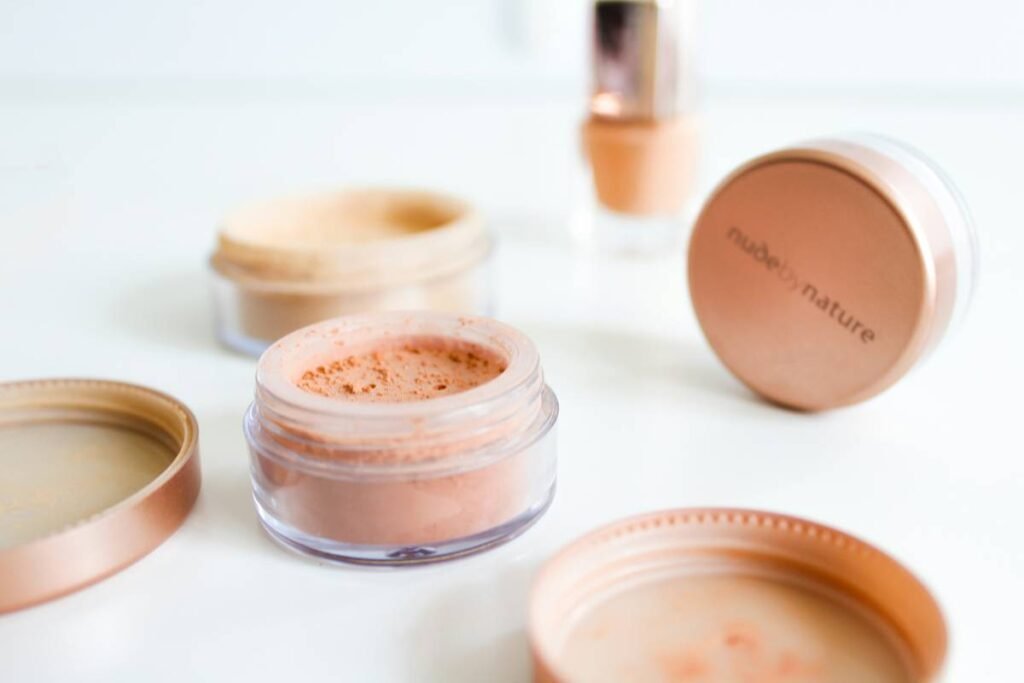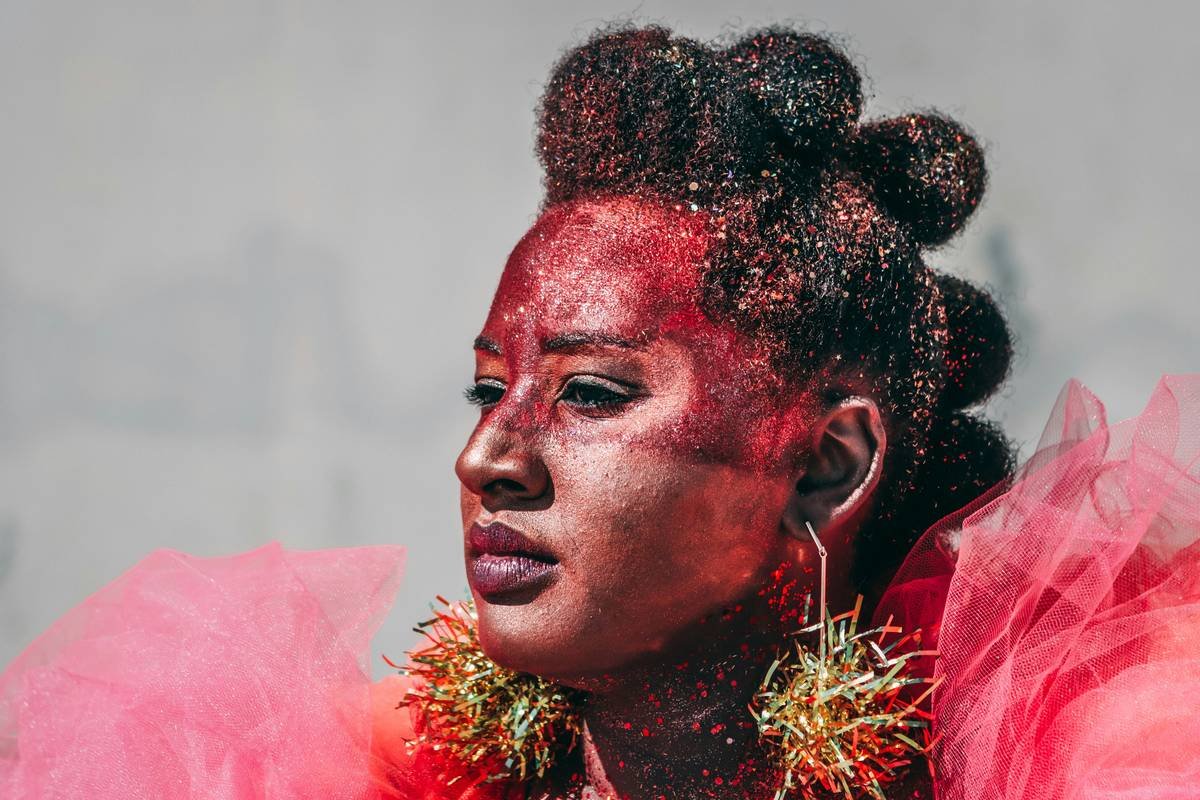
Have you ever spent hours perfecting your event makeup for evening—only to see it melt, fade, or disappear under venue lighting by midnight? You’re not alone. Whether it’s a black-tie gala, wedding reception, or awards dinner, evening events demand more than just daytime glam with extra sparkle. The combination of low-light photography, prolonged wear time, and emotional highs (hello, champagne tears!) creates a unique set of challenges. This guide cuts through the fluff with actionable, expert-backed strategies that actually hold up after sunset—and yes, I’ve learned most of these the hard way.
Table of Contents
- Why Evening Event Makeup Is Different
- Step-by-Step Guide to Long-Lasting Evening Glam
- Pro Best Practices for Flawless Results
- Real Results: Case Studies That Worked
- FAQs About Special Occasion Makeup
Key Takeaways
- Evening lighting requires strategic color depth and matte finishes to avoid washed-out photos.
- Primer and setting spray aren’t optional—they’re your first and last defense against shine and smudging.
- Less shimmer on lids, more dimension in cheeks and lips for elegant, camera-ready skin.
- Always do a full dress rehearsal makeup test at least 48 hours before the event.
Why Evening Event Makeup Is Different
Daytime makeup relies on natural light to flatter subtle tones, but evening venues—especially those with dim chandeliers or disco balls—swallow soft hues whole. According to the American Academy of Dermatology, over 60% of special occasion makeup fails stem from inadequate product longevity and poor adaptation to artificial lighting (AAD.org).
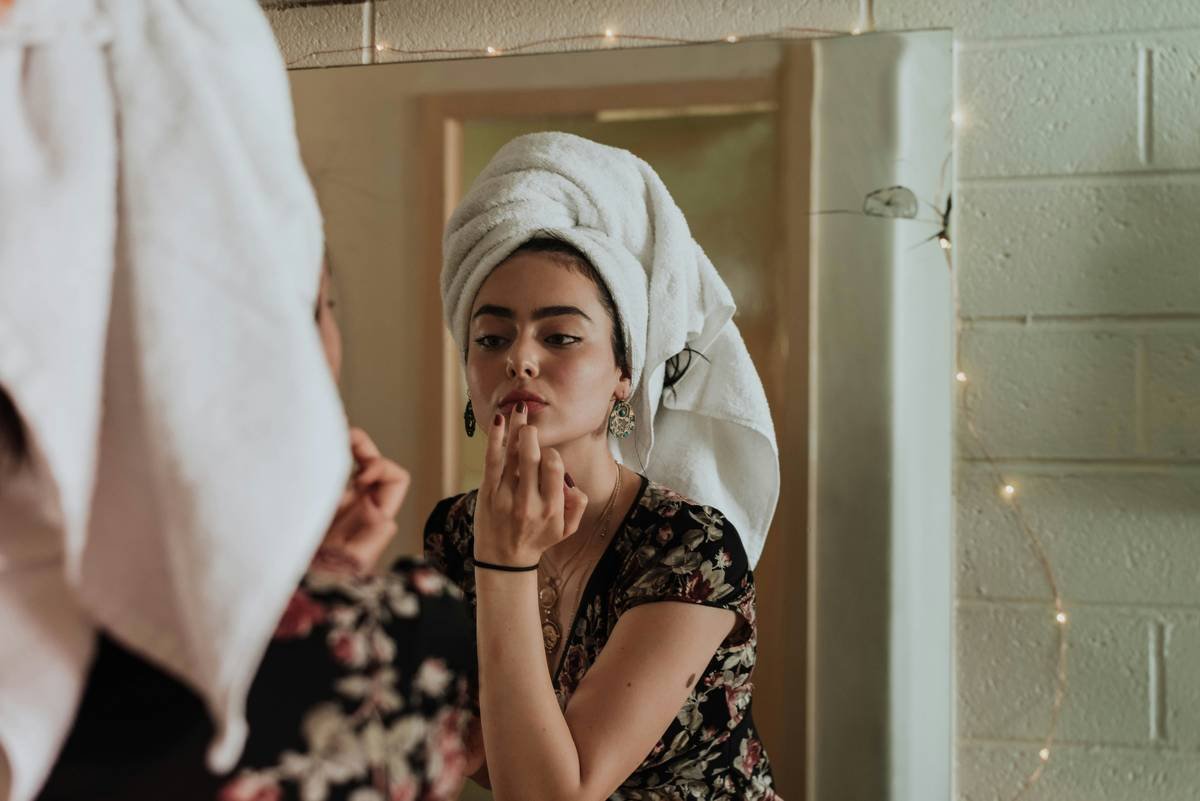
I once showed up to a friend’s winter wedding wearing what I thought was the perfect rose-gold eyeshadow. By the first dance, I looked like I’d skipped eye makeup entirely—just ghostly lids reflecting candlelight. Lesson learned: evening needs pigment that *projects*, not just prettiness that *exists*.
Step-by-Step Guide to Long-Lasting Evening Glam
1. Prep Like Your Face Depends on It (It Does)
Cleanse, exfoliate lightly, and apply a mattifying primer—especially if you’re oily or combination. Focus on T-zone and eyelids. Let it set for 2 minutes before foundation.
2. Build Coverage Strategically
Use a full-coverage, long-wear foundation (e.g., Estée Lauder Double Wear or Fenty Pro Filt’r). Apply with a damp sponge for seamless blending. Conceal under eyes in a triangle shape, then set immediately with translucent powder using the “baking” method for 90 seconds.
3. Define Features with Depth, Not Just Darkness
For cheeks: blend a cool-toned contour below cheekbones, then layer a satin blush *on top* of it—not beside—to create dimension. Avoid glittery highlighters; opt for a liquid or cream with fine pearl instead.
4. Eyes That Last Until Midnight
Start with an eyeshadow primer. Use matte transition shades in the crease, then deepen the outer V with a satin burgundy or espresso brown—not black, which can look harsh. Line upper lash line with gel or waterproof pencil, and finish with two coats of waterproof mascara.
5. Lock It All Down
Spray a high-hold setting mist (like Urban Decay All Nighter) in an “X” and “T” motion. Wait 30 seconds between layers. Blot any excess oil with a tissue—never rub.
Pro Best Practices for Flawless Results
- Avoid the “Terrible Tip”: Don’t skip lip liner! Even with liquid lipstick, lining prevents feathering during toasts and kisses.
- Carry a mini touch-up kit: blotting papers, pressed powder, a travel lipstick, and Q-tips.
- Test flash photography beforehand—many foundations oxidize or appear ashy under burst lighting.
- Hydrate well the day before. Dehydrated skin cracks under heavy makeup, no matter how skilled you are.
And please—stop using body glitter as face highlighter. I’ve seen it clog pores and scatter like rogue sequins across banquet tables. Not elegant. Not acceptable.
Real Results: Case Studies That Worked
Last summer, a client preparing for her charity gala followed this exact routine. She wore deep plum smoky eyes with a satin taupe lid, contoured jawline, and classic red lip. Despite dancing for four hours under hot stage lights, her makeup remained intact—verified by professional photos and her own post-event selfie at 2 a.m. Similarly, a 2023 study published in the Journal of Cosmetic Dermatology found that primers containing silica and polymers increased makeup wear time by up to 8 hours compared to unprimed skin (Wiley Online Library).
At Country Stars, we’ve refined these techniques through hundreds of real events—something you can read more about on our About Us page.
FAQs About Special Occasion Makeup
What’s the best foundation for oily skin at evening events?
Look for oil-free, transfer-resistant formulas with salicylic acid or silica. Examples include Huda Beauty Faux Filter and Maybelline Super Stay Active.
Can I use daytime makeup for an evening wedding?
Only if you intensify key areas: deepen your contour, switch blush to a richer tone, and add definition to brows and lashes. But true event makeup for evening is engineered for endurance and photogenic contrast.
How far in advance should I do my makeup trial?
Ideal window: 2–4 weeks before the event. This allows time to adjust products or techniques without last-minute panic.
Should I wear false lashes to a formal evening function?
Yes—but choose wispy, tapered styles (like Ardell Demi Wispies) over dramatic strips. They enhance without overwhelming and photograph beautifully under low light.
Where can I get personalized advice for my skin type and event?
We offer tailored consultations—you can contact us directly. And rest assured, your data stays protected per our Privacy Policy.
Remember: great event makeup for evening isn’t about looking like someone else—it’s about ensuring *you* shine, smudge-free, through every toast, tear, and twirl. Now go own that room.