Finding party makeup that actually complements deep skin tones? Nearly impossible in mainstream aisles. Most “universal” palettes turn ashy, glitter looks dull, and foundations vanish into orange oblivion. And when you’re prepping for a night where first impressions last forever—this isn’t just frustrating, it’s isolating. But what if your melanin-rich canvas wasn’t a limitation—but your secret weapon?
Why Standard Party Makeup Fails Dark Skin
Most party makeup is engineered for lighter complexions. Period. The undertones are off—cool when you’re warm, neutral when you need richness. Shimmers lose luster against deeper pigmentation, appearing muddy instead of luminous. Worse, brands often skip testing on diverse models, so formulas oxidize unpredictably or disappear under strobe lights.
And don’t get me started on red lipsticks labeled “bold” that read brown on dark skin. It’s not user error—it’s systemic oversight.
Step-by-Step Guide to Flawless Party Makeup for Dark Skin
Prep Like a Pro—Don’t Skip This
Hydrated skin = light-catching skin. Use a gel-based moisturizer with hyaluronic acid 15 minutes before foundation. Blot—not skip—oil. You want dew, not grease.
Foundation That Stays True Under Any Light
Ditch beige-coded labels. Look for shades with descriptors like “espresso,” “mahogany,” or “cocoa.” Always swatch vertically along your jawline in natural light. Bonus: mix a drop of liquid highlighter into your base for seamless radiance—no patchiness.
Eyes That Pop Without Ashing Out
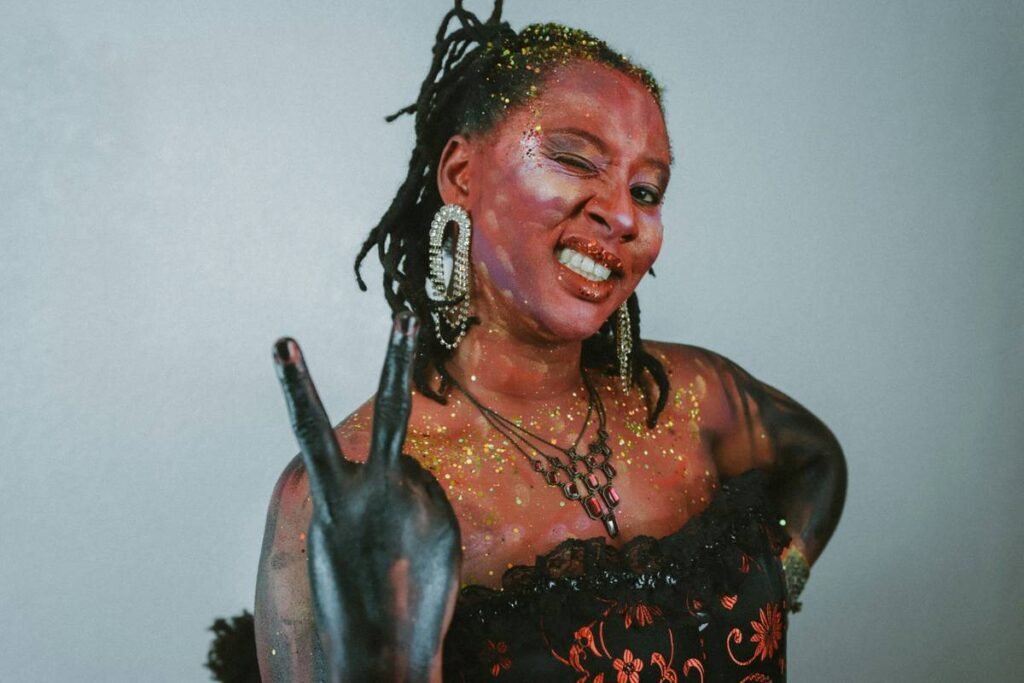
Warm metallics (copper, bronze, gold) beat cool silvers every time. Matte blacks? Swap for deep plums or espresso browns—they add dimension without flattening your features. And line waterlines with burgundy, not black. Trust me—it’s softer but just as dramatic.
Lip Colors That Command Attention
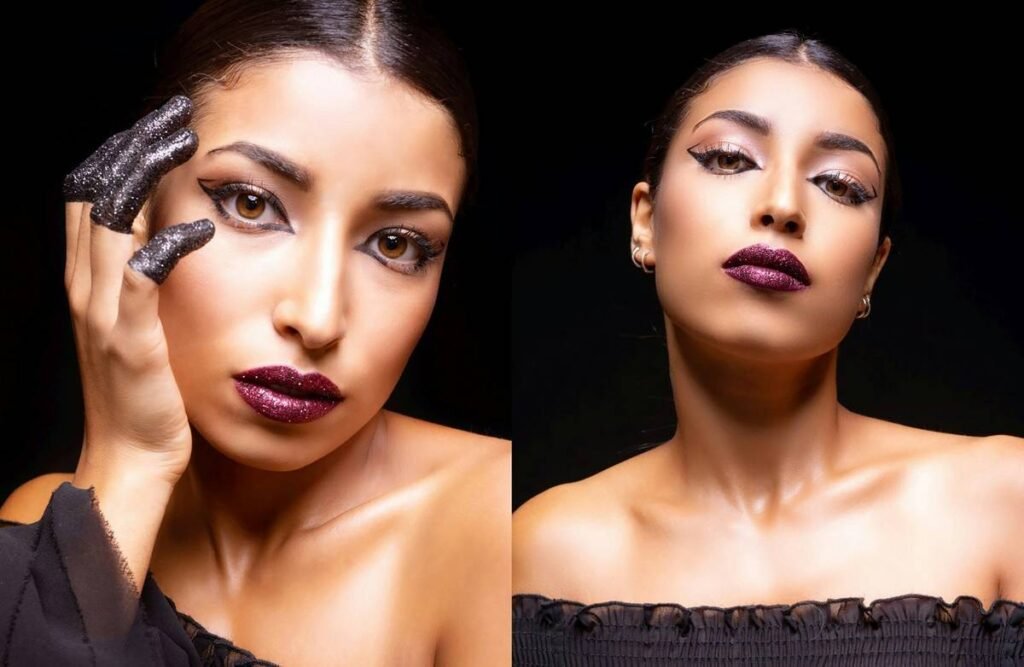
Rich berries, molten chocolates, and burnt oranges dominate on deep skin. Avoid anything with blue undertones unless you’ve tested it under your actual party lighting. A satin finish photographs better than full matte—which can emphasize texture.
| Product Type | What Works | What Flops | Pro Tip |
|---|---|---|---|
| Foundation | Warm, red, or golden undertones | Pink-neutral bases | Test under yellow + white LED |
| Eyeshadow | Copper, terracotta, deep emerald | Pastel pinks, icy lavender | Use cream shadows as base for intensity |
| Highlighter | Champagne, rose gold, bronze | Silver-white, frosty pearl | Apply with damp sponge for wet-look glow |
| Lipstick | Berry, chestnut, burnt coral | Nude beige, baby pink | Line with matching pencil to prevent feathering |
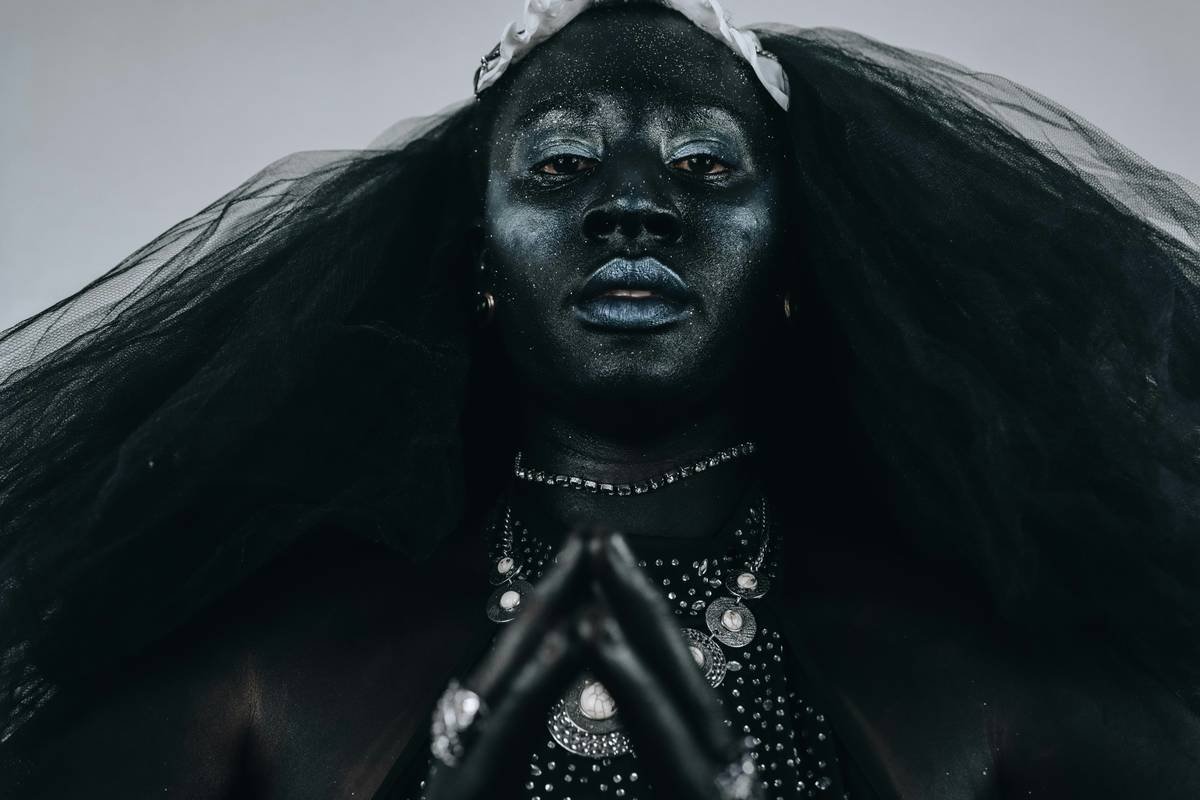
The Industry Secret No Brand Admits
Here’s the reality: many “inclusive” shade ranges are performative. They expand palettes but keep the same base formula—designed originally for light skin. So even if the shade matches, the pigment load, oxidation rate, and finish behave differently on melanin-rich skin. The fix? Seek indie Black-owned beauty brands first. They formulate from the ground up for depth, warmth, and longevity—not as an afterthought. Brands like Pat McGrath Labs, Fenty Beauty, or Uoma aren’t just hype—they engineer chroma that sings on dark complexions because their labs start there.
Think about it: would you wear shoes designed for someone else’s foot shape and expect comfort? Same logic applies.
FAQ
What eyeshadow colors look best for dark skin at parties?
Warm metallics like copper, bronze, and gold create dimension without washing you out. Deep jewel tones—emerald, sapphire, plum—also pop dramatically under club lighting.
How do I stop my foundation from looking ashy?
Choose formulas with warm, red, or golden undertones—not neutral or cool. Always blend down your neck, and set lightly with a translucent powder that doesn’t leave a white cast.
Can I wear bold lipstick with dramatic eye makeup?
Yes—if they share undertones. A berry lip pairs perfectly with plum smoky eyes. Just keep skin fresh and brows clean to avoid overwhelming your features.