You spent weeks planning your outfit, your hair, the perfect venue—only to scroll through event photos and cringe. Harsh lighting washes you out. Shadows cling to your under-eyes. Your lipstick vanished by toast number two. The problem isn’t your style—it’s your makeup strategy. Standard “day-to-night” routines fail under flash, HD lenses, and golden hour glare. Here’s the fix: a targeted approach engineered for event makeup for photos that holds up from first click to final frame.
Why Your Everyday Makeup Doesn’t Translate on Camera
Cameras lie—and they’re brutally honest about it. What looks dewy IRL reads greasy on-screen. Subtle contour? Invisible. That barely-there blush? Gone. Digital sensors flatten dimension, amplify shine, and expose texture like a forensic tool.
And most tutorials ignore this reality. They teach “beauty” as if it exists in a vacuum—not under 4K resolution or LED banquet lights. The math is simple: if your makeup wasn’t built for optics, it won’t survive them.
Step-by-Step Guide to Photo-Ready Event Makeup
Prep Like You’re Being Litigated
Cleanse, exfoliate, hydrate—but skip heavy oils. Matte primers with silica grip foundation better than any serum-infused goop. Wait 5 full minutes before applying color. Rushing here causes patchiness under flash.
Foundation: Build Coverage Strategically
Use a satin-finish liquid with buildable pigment—not matte cake or dewy tint. Apply with a damp sponge in thin layers. Focus on center-face blending outward. Cameras detect edges; seamless transitions are non-negotiable.
Conceal, Then Set—Twice
Brighten under-eyes with a peach-toned corrector (not just concealer). Pat—don’t swipe. Then, dust translucent powder ONLY where flash hits hardest: T-zone, chin, eyelids. Over-powdering creates flashback; under-powdering risks shine.
Contour & Blush: Go Warm, Not Cool
Cool bronzers turn ashy under artificial light. Use a terracotta-based cream contour just below cheekbones. Blend upward. Add a warm coral blush slightly higher—cheekbone apex—to catch ambient light naturally.
Lips That Last Through Speeches and Smooches
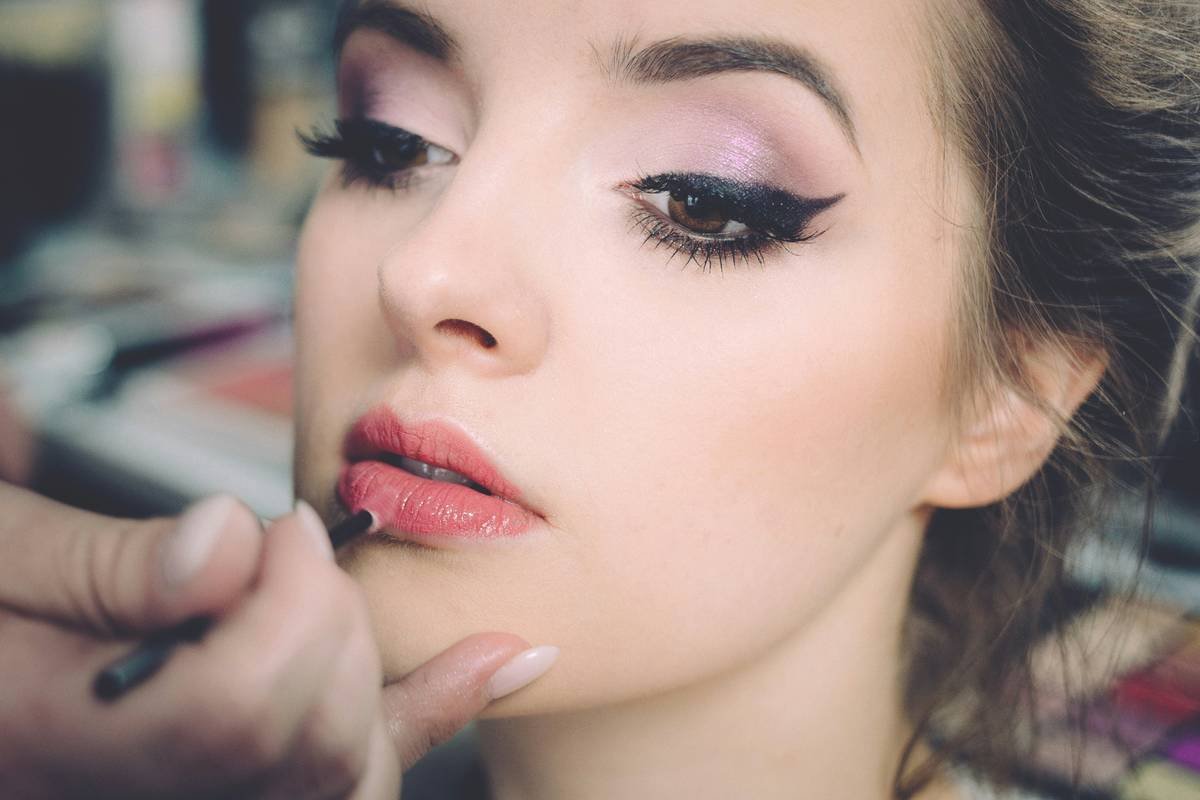
Line lips fully, then fill in with matching liner. Apply liquid matte lipstick in one swipe. Blot. Reapply. Skip gloss—it reflects flash like a disco ball.
| Technique | Photo Impact | Longevity (Hours) | Best For |
|---|---|---|---|
| Matte Liquid Foundation + Setting Spray | Zero flashback, high definition | 8–10 | Flash-heavy indoor events |
| Satin Foundation + Light Powder | Natural skin texture, slight glow | 6–8 | Outdoor daylight ceremonies |
| Cream Contour Only (No Powder) | Soft shadows, lifelike depth | 4–6 | Golden hour or candlelit dinners |
Eyes: Define Without Drowning
Waterproof gel liner tightlined. Brown—not black—for softer contrast. Two coats of tubing mascara. Skip lower-lash liner; it smudges and ages you in stills. A whisper of bronze shadow deepens sockets without competing with your dress.
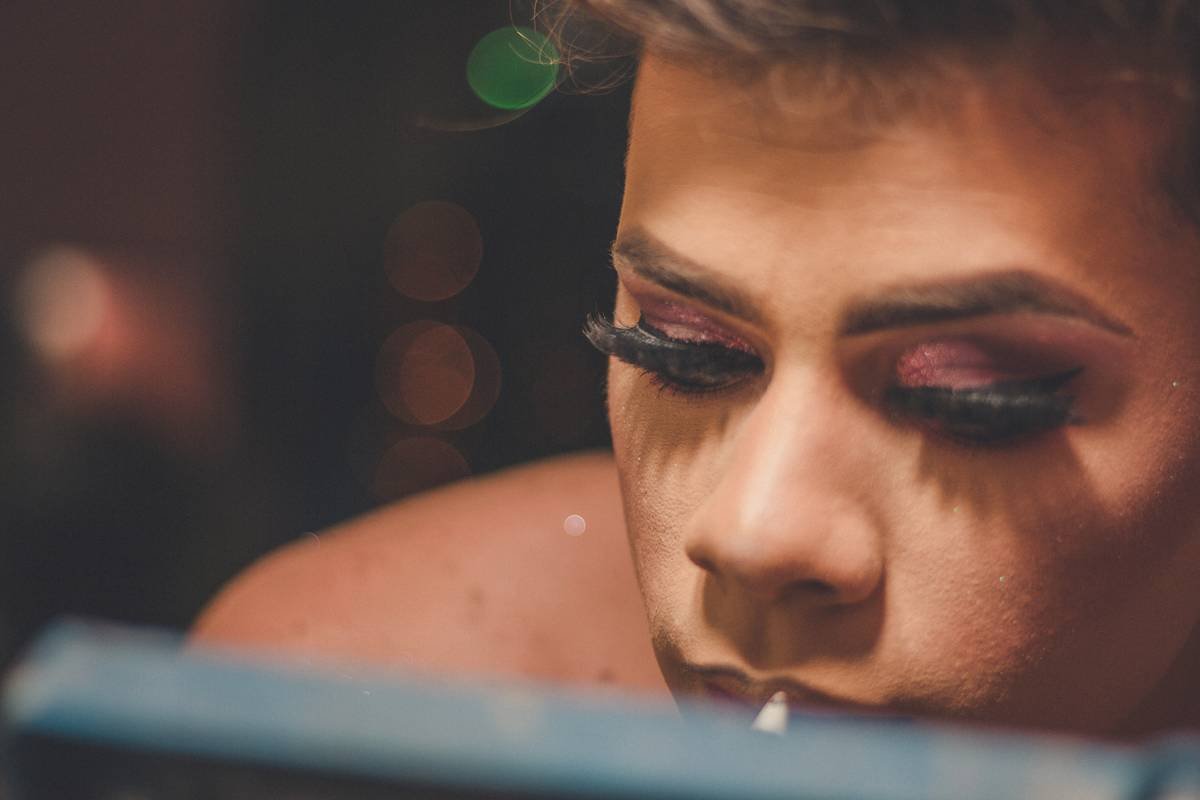
The Industry Secret: Lighting Dictates Everything
Here’s what no brand tells you: your venue’s lighting is your true makeup artist. Indoor ballroom? Expect cool, flat LEDs—so warm up your palette aggressively. Sunset wedding? Golden tones will harmonize; cool tones will clash and disappear. And never trust mirrors—they’re usually fluorescent. Test your look under your actual event lighting 48 hours prior. One pro trick: take a test photo with your phone flash ON. If you see glare or grayness, adjust immediately. This single step separates amateurs from award-show red carpet pros.
Frequently Asked Questions
How do I prevent shiny skin in event photos?
Blot excess oil pre-event. Use a silica-based mattifying primer. Set only high points—forehead, nose, chin—with translucent powder. Re-blott mid-event if needed.
Should I wear more makeup than usual for photos?
Yes—but not heavier. Amplify dimension (contour, blush placement) and saturation (lip/cheek color), not thickness. Thin, layered products photograph far better than thick applications.
Does flash photography change how makeup looks?
Dramatically. Flash flattens features, magnifies texture, and creates harsh highlights. Always do a test shot with flash to check for shine, uneven blending, or color distortion.