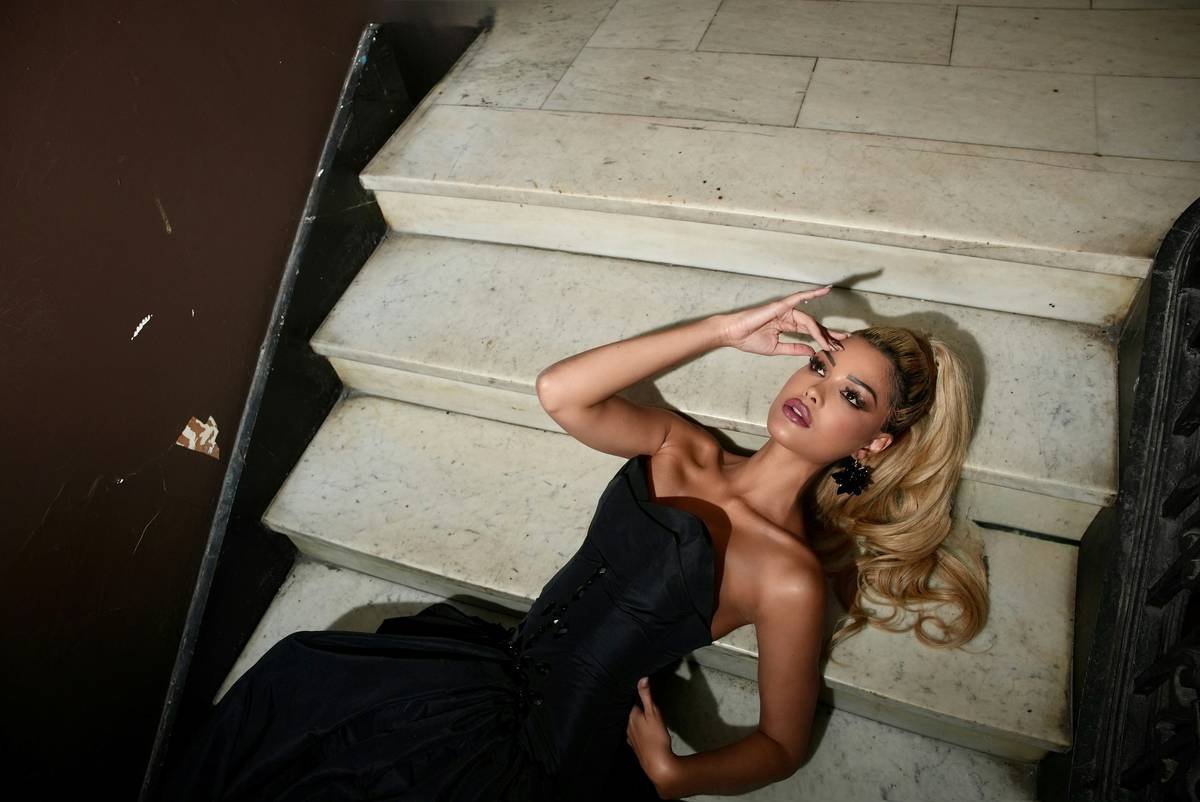
You spend hours choosing the perfect gown, rehearsing your entrance, and coordinating your clutch—only to glance in the mirror and realize your eyeshadow looks flat, muddy, or worse, garish under venue lighting. The stakes are high: formal events demand polish, not pageantry. But here’s the fix—precision layering with purpose-built formulas that hold up from cocktail hour to last call.
Why Your Go-To Eyeshadow Routine Fails at Formal Events
Everyday blending tricks collapse under crystal chandeliers and flash photography. Matte neutrals disappear. Shimmers turn greasy by midnight. And don’t get me started on glitter fallout during a seated dinner. Formal event eyeshadow isn’t just about color—it’s structural engineering for the eyelid.
Most tutorials ignore one brutal truth: ambient light in ballrooms is unforgiving. What reads as soft in your bathroom mirror becomes invisible 20 feet away. And blending too much? You dilute pigment density until your eyes recede into your face. Not ideal when you’re walking down an aisle or accepting an award.
Step-by-Step Guide to Flawless Formal Event Eyeshadow
Forget “smoky” or “natural”—build dimension using the three-zone method: arch lift, socket anchor, and lid pop. Each zone serves a function under mixed lighting conditions.
Select Your Base Palette Like a Pro
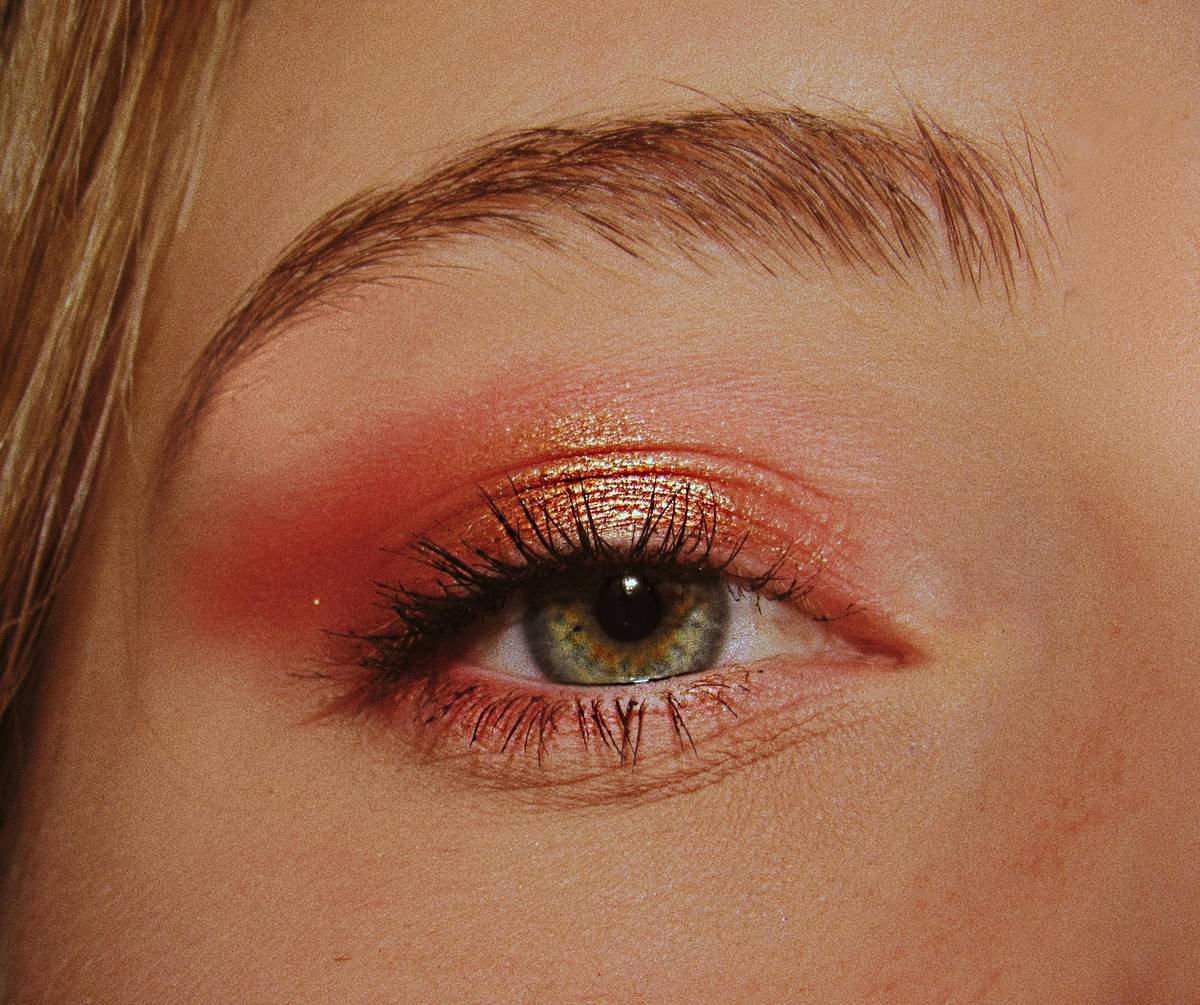
Start with a quad containing one deep neutral (not black), one mid-tone satin, one light shimmer, and one brightening matte. Ivory-based shimmers work better than golds—they mimic reflected candlelight without looking dated.
Prime Differently Based on Eye Shape
Hooded lids need a tacky primer applied only to the mobile lid—not the crease—to prevent migration. Round eyes? Extend the outer V slightly upward to create lift. And always set primer with translucent powder if you’re battling humidity. Skipping this causes oxidation that shifts warm tones into muddy brown within an hour.
Layer Pigment Strategically, Not Heavily
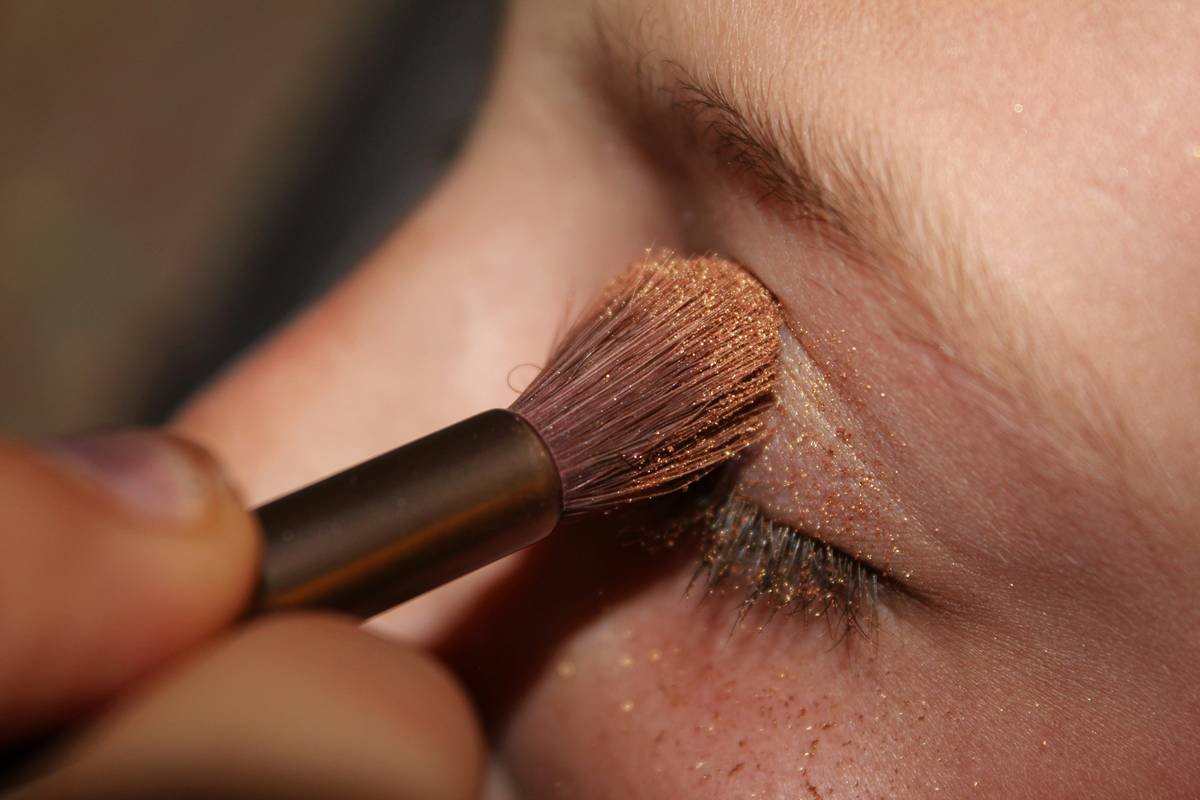
The math is simple: intensity = pigment + adhesion. Use a dampened flat shader brush for the lid shade. Dry fluffy brushes for blending waste product and diffuse edges too much. Instead, pat—don’t swipe—the main lid color. Then define the outer socket with short windshield-wiper motions using a pencil brush. Less movement = sharper payoff.
| Technique | Pigment Longevity | Blending Control | Venue Suitability |
|---|---|---|---|
| Dry blending entire lid | 4–6 hours | Low (muddies easily) | Casual dinners only |
| Damp lid + dry crease | 8–10 hours | High (crisp definition) | Weddings, galas, award shows |
| Glitter topper without sealant | 2–3 hours | None (fallout guaranteed) | Avoid entirely |
| Matte transition + satin lid | 7+ hours | Moderate | Corporate events, evening receptions |
The Industry Secret: Underpainting With Concealer
Top makeup artists working red carpets never start with bare lids. They apply a thin layer of high-coverage concealer *exactly* where the lid pigment will go—then set it lightly with powder matching their skin tone. This creates a blank canvas that boosts chroma by 40% and prevents undertones from bleeding through. Think of it like gesso on canvas. And yes, it works even on oily lids—if you skip the heavy moisturizer beforehand.
But—here’s the twist—don’t blend this concealer into the crease. Keep it confined to the mobile lid. That boundary becomes your pigment anchor. No more wandering taupe clouds by dessert course.
FAQ
What eyeshadow finish is best for formal events?
Satin or metallic finishes reflect light elegantly without appearing greasy. Avoid frost or chunky glitter—they photograph poorly and shift under heat.
How do I make formal event eyeshadow last all night?
Use an adhesive primer, apply pigments wet on the lid, and lock everything with a setting spray misted onto a clean brush—not directly on the eye.
Can I wear bold colors to a black-tie event?
Yes—if balanced. Deep emerald, plum, or navy work beautifully when paired with muted cheeks and lips. The key is limiting saturation to one focal point.