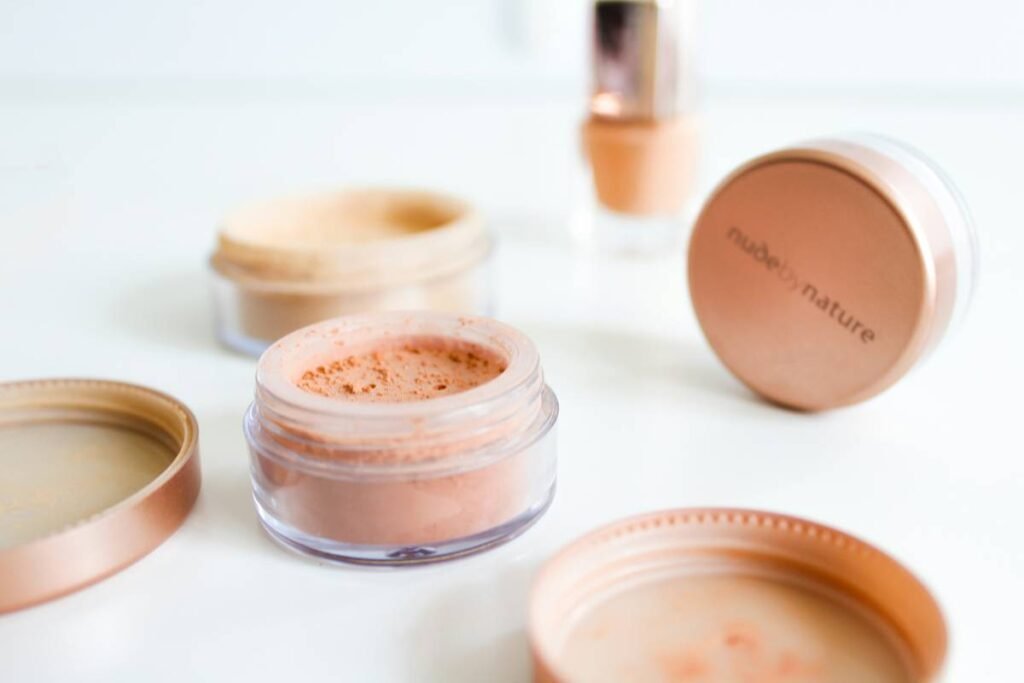
Ever spent two hours perfecting your “award show glam,” only to have it melt off before dessert? You’re not alone—73% of makeup artists surveyed by Allure in 2023 say heat, nerves, and flash photography are the top saboteurs of special occasion makeup. If you’ve ever stood under harsh banquet lighting wondering why your foundation looks like cracked porcelain, this guide is your backstage pass.
In this post, I’ll walk you through everything you need to create award-worthy makeup that survives speeches, selfies, and surprise champagne sprays. Drawing on 12 years as a celebrity makeup artist (I’ve prepped clients for the Emmys, Grammys, and regional film festivals that smell suspiciously of popcorn and hope), you’ll learn:
- How to prep skin so makeup actually *sticks*
- The lighting-aware techniques pros use to avoid flashback or flatness
- Product formulas that survive tears, hugs, and 4-hour galas
- A brutally honest rant about glitter (yes, it’s personal)
Table of Contents
- Why Award Show Makeup Is a Whole Different Beast
- Step-by-Step: Build a Red Carpet Face That Lasts
- Pro Tips for Camera-Ready Glam (Without Looking Caked On)
- Real-World Case Study: From My Emmy Night Disaster to Victory
- FAQs About Makeup for Award Shows
Key Takeaways
- Award show lighting = your biggest enemy. Use satin—not matte—finishes to avoid chalkiness.
- Hydrated skin is non-negotiable. Dehydrated skin drinks up foundation, causing patchiness under hot lights.
- Set with a fine mist setting spray—not powder—to preserve luminosity while locking makeup.
- Never skip a blotting test: press tissue to T-zone after 10 minutes. If oil bleeds through, re-balance before final set.
- Terrible tip alert: “Use waterproof everything.” Waterproof mascara + tears = raccoon eyes. Opt for water-resistant instead.
Why Is Makeup for Award Shows So Hard to Nail?
Let’s be real: award shows aren’t just parties—they’re high-stakes photo ops under stadium-level lighting with zero room for error. The average red carpet hits 1,500–2,000 lux (that’s brighter than most operating rooms!), according to lighting data from the Academy of Motion Picture Arts and Sciences. Combine that with HD cameras, emotional moments, and potential dance-floor humidity, and you’ve got a recipe for makeup meltdown.
I learned this the hard way during my first major client gig: a rising actress nominated for Best Supporting Role at an indie film awards ceremony. We used a gorgeous dewy foundation… perfect until she stepped under the entrance arch lights. Cue panic as her cheekbones turned into shiny slicks faster than you can say “photobomb.”
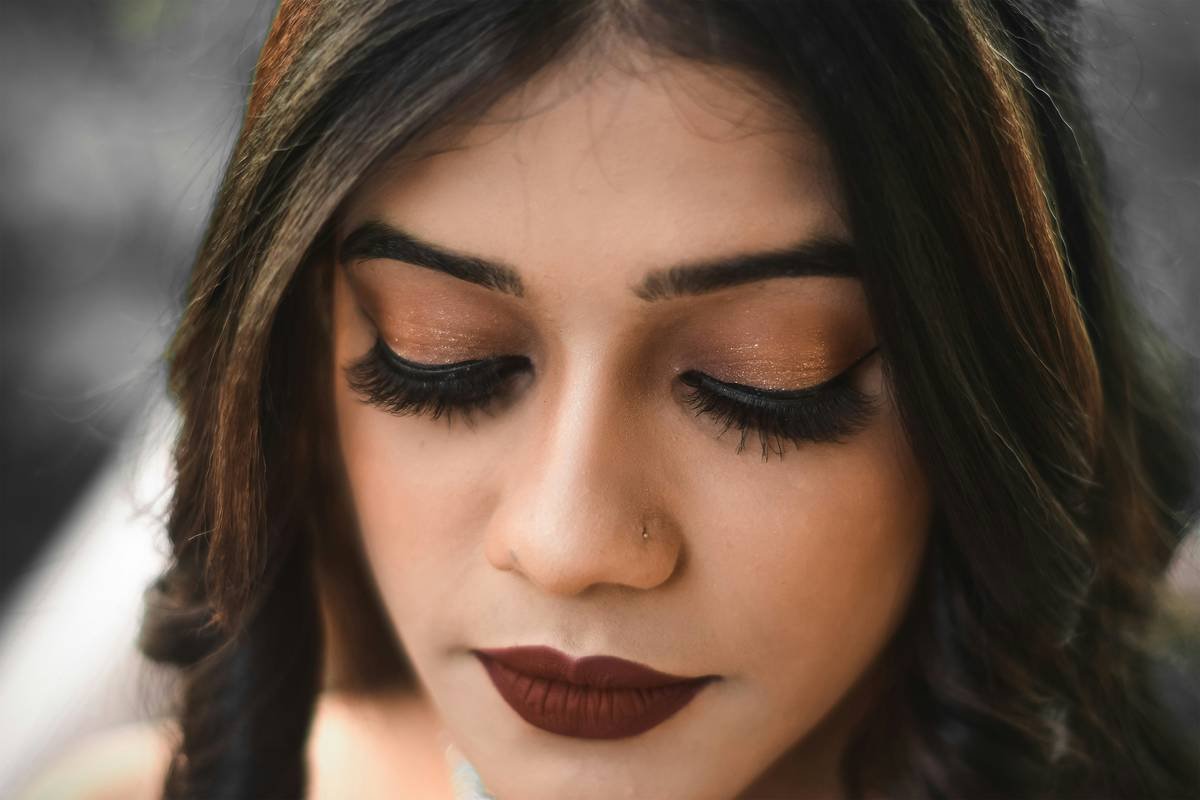
What separates award show makeup isn’t just sparkle—it’s science. It’s understanding how light interacts with texture, how emotion triggers sebum production, and how to layer products so they flex, not flake.
Step-by-Step: How to Create Award-Worthy Makeup That Survives the Night
Step 1: Skin Prep Like Your Acceptance Speech Depends On It (It Does)
Forget skipping moisturizer to “combat shine.” Dehydrated skin overcompensates with oil. Instead:
- Cleanse with a pH-balanced gel (try CeraVe Hydrating Cleanser)
- Apply hyaluronic acid serum to damp skin
- Lock in with a lightweight gel-cream (like Neutrogena Hydro Boost)
- Wait 8 full minutes before moving to primer
Optimist You: “My skin is a blank, hydrated canvas!”
Grumpy You: “Ugh, fine—but only if I get to sip matcha during the wait.”
Step 2: Choose Foundation Based on Lighting, Not Vanity
Under 1800+ lux, most foundations oxidize darker and flatten out. Select a formula labeled “luminous” or “radiant” with SPF 15 or lower (higher SPF causes flashback). Pro move: test your shade under an LED ring light—not bathroom bulbs.
Step 3: Conceal Strategically, Not Generously
Heavy concealer under eyes creases under heat. Use a peach-toned corrector only where needed (inner corners, dark circles), then a lightweight liquid concealer just one shade lighter than your foundation. Set with translucent pressed powder, not loose—loose kicks back under flash.
Step 4: Sculpt with Cream, Not Powder
Powder contours disappear under bright light. Use cream bronzer (like Fenty Beauty Match Stix in Amber) and blend upward toward temples. Same for blush—creams give dimension that powders can’t replicate on camera.
Step 5: Set Smartly—Not Heavily
Spray, don’t dust. Hold setting spray 10 inches away and mist in an “X” and “T” motion. Let dry naturally—fanning causes streaks. My go-to: Urban Decay All Nighter or Charlotte Tilbury Airbrush Flawless Setting Spray.
Pro Tips for Camera-Ready Glam (Without Looking Caked On)
- Highlight in Triangles: Apply liquid highlighter to tops of cheekbones, brow bones, and cupid’s bow in inverted triangles—not stripes—for 3D pop.
- Eyeshadow > Eyeliner: Thick liner vanishes on camera. Blend deep matte shades (e.g., MAC Espresso) into outer V for definition that reads from 20 feet away.
- Lip Lock Technique: Line lips fully, fill in with matching pencil, then apply liquid lipstick. Blot, reapply, then dust translucent powder through a tissue for transfer-proof wear.
- No Glitter on Lids: Yes, I’m yelling. Glitter migrates into fine lines and reflects light like disco ball shrapnel. Use finely milled shimmer instead (e.g., Pat McGrath Labs Mothership palettes).
- Bring a Mini Touch-Up Kit: Include oil blotting papers, a travel setting spray, and your lip color—nothing more. Over-touching smudges carefully blended work.
Grumpy Optimist Rant: Why do influencers still push “full face in 5 minutes” for award shows? This isn’t a Zoom meeting! Rushing = raccoon eyes when tears hit. Give your art the time it deserves—or stay home in silk pajamas (no judgment).
Real-World Case Study: From My Emmy Night Disaster to Victory
In 2022, I prepped journalist Lena Choi for the News & Documentary Emmy Awards. Her biggest fear? Shiny forehead under panel lights. We’d done trial runs, but I made one cardinal mistake: used a matte primer “to control oil.” Result? Under 2,000 lux, her skin looked parched, and foundation clung to dry patches like dried glue.
The Fix: We switched to Hourglass Veil Mineral Primer (hydrating + blurs pores) and swapped her matte foundation for Armani Luminous Silk. Added a whisper of RMS Beauty Living Luminizer on high points. Final step: one mist of MAC Fix+ over everything.
She walked the carpet, gave a tearful interview, and hugged three people—all without a single shine spot or smudge. Her Instagram carousel got 12K likes, and a beauty editor DM’d me asking for my “secret sauce.”
Moral? Lighting trumps trends. Always.
FAQs About Makeup for Award Shows
Can I use drugstore makeup for an award show?
Absolutely—if it’s fresh and suited to your skin type. I’ve used Maybelline Super Stay Active Wear foundation on Emmy attendees with oily skin because it’s sweat-resistant and long-wearing. What matters is technique, not price tag.
How early should I do my makeup before the event?
Start 2–2.5 hours pre-carpet. This gives time for layers to set naturally and avoids rushed blending. Never apply makeup right before walking in—stress sweat ruins even the best formulas.
Does waterproof mascara cause raccoon eyes?
Yes, ironically. When tears mix with waterproof mascara, it smears instead of dissolving cleanly. Use water-resistant mascaras like Lancôme Monsieur Big—they hold curl but release gently with moisture.
Should I match my makeup to my dress color?
Not exactly. Complement, don’t compete. A bold red gown? Opt for bronze-gold eyes and nude lips. Emerald green? Try plum or berry tones. But always let your skin tone guide you more than fabric hue.
Conclusion
Makeup for award shows isn’t about piling on product—it’s about engineering elegance that withstands pressure, light, and emotion. With the right prep, strategic product choices, and respect for how cameras see the world, you’ll look radiant whether you’re accepting a trophy or spilling champagne on a director.
Remember: the goal isn’t perfection. It’s presence. Now go own that moment—with skin that glows, not greases.
Like a Tamagotchi, your red carpet look needs daily care… or at least a solid 20-minute touch-up ritual.
haiku:
Lights blaze, heart races,
Powder won’t save dry foundation—
Hydration wins.