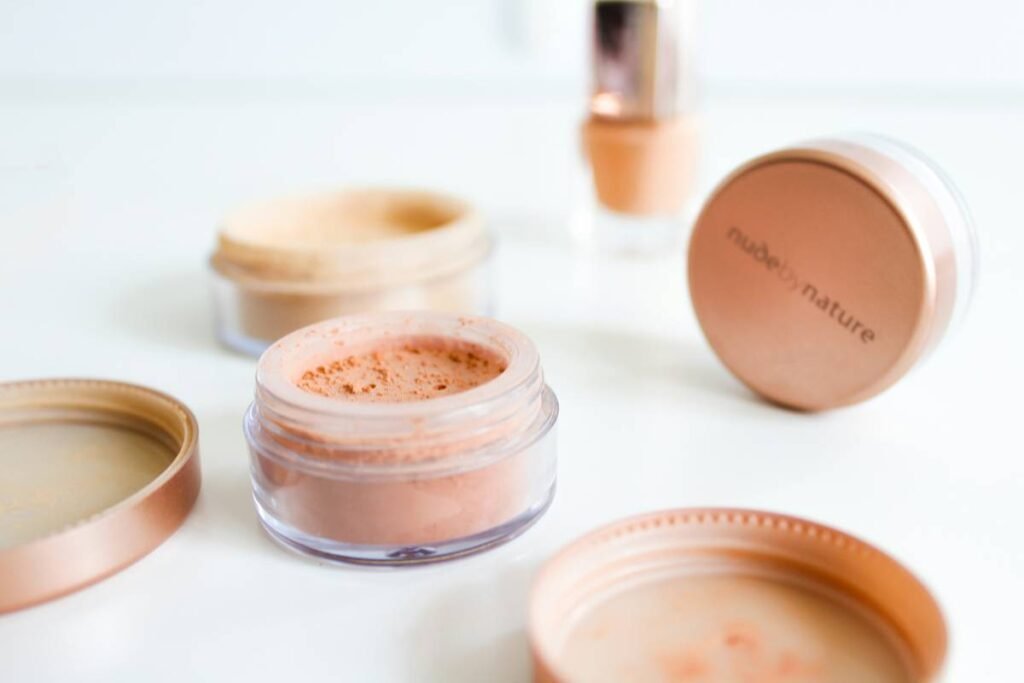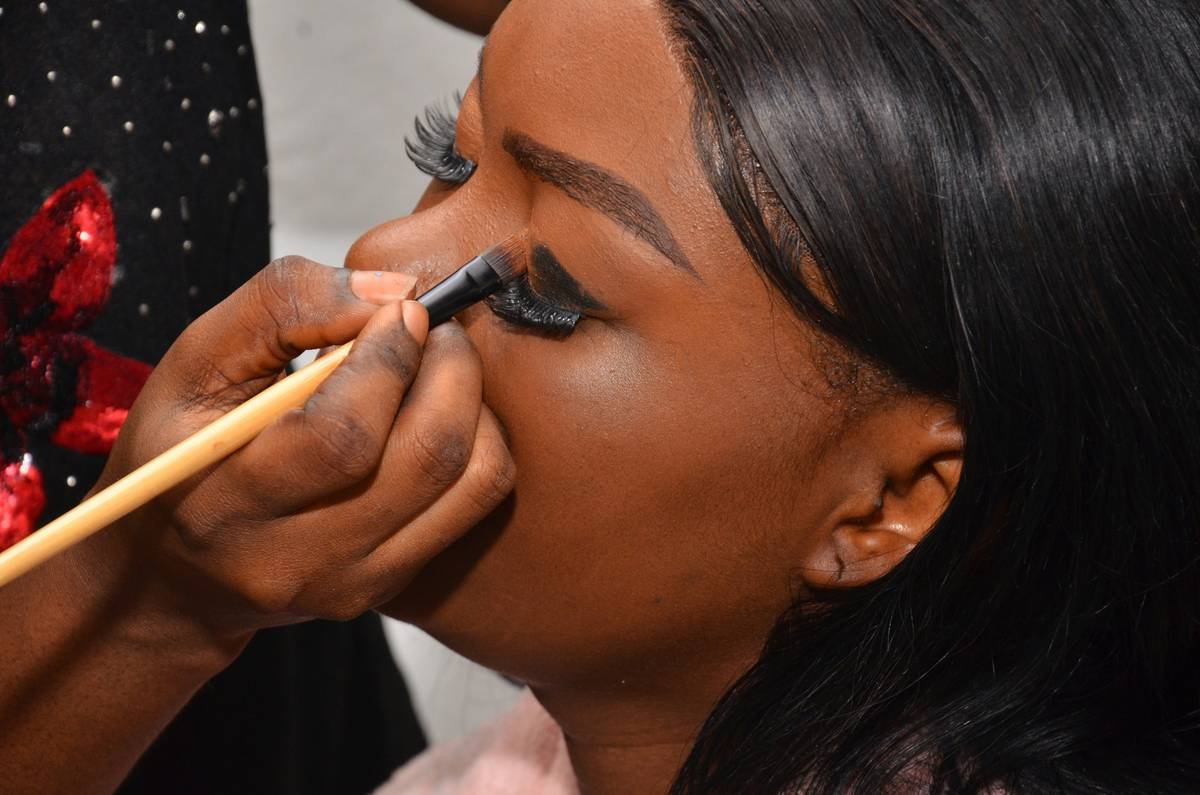
Ever spent 40 minutes blending your foundation only to watch it slide off mid-vow exchange? Or showed up to a black-tie gala looking like you’d just survived a sauna session? You’re not alone. According to a 2023 survey by Allure, 68% of people report makeup meltdown during high-stakes events—weddings, galas, award nights, graduations—the very moments you want to look (and feel) your absolute best.
If you’ve ever panicked over sweat-proofing your eyeliner or wondered whether “photogenic” means “more contour,” this guide is your backstage pass. Drawing from 12+ years as a professional makeup artist who’s prepped brides, debutantes, and red-carpet attendees, I’ll walk you through how to create long-wearing, camera-ready makeup for ceremonies—without sacrificing comfort or authenticity.
You’ll learn:
- Why standard daytime makeup fails under ceremony conditions (heat, tears, flash photography)
- A step-by-step framework for building a ceremony-proof base
- Pro tricks to avoid the “Instagram vs. Reality” gap
- Real case studies (including my own epic fail at a summer wedding—spoiler: waterproof mascara is non-negotiable)
Table of Contents
- Key Takeaways
- Why Is Makeup for Ceremonies So Tricky?
- Step-by-Step: Building Your Ceremony-Proof Look
- 5 Non-Negotiable Best Practices (From Someone Who’s Been There)
- Real People, Real Results: Case Studies
- FAQs About Makeup for Ceremonies
Key Takeaways
- Ceremony makeup must withstand humidity, emotions, extended wear, and flash photography—regular routines won’t cut it.
- Prep > Product: Skincare the night before matters more than that $80 highlighter.
- Flash-friendly makeup avoids overly shimmery textures and stark contour lines.
- Blotting papers and a mini touch-up kit are your secret weapons.
- Less is often more—but “more” depends on venue lighting and dress formality.
Why Is Makeup for Ceremonies So Tricky?
Let’s be real: applying makeup for a Tuesday Zoom call and a candlelit vow renewal are worlds apart. Ceremonies come with unique stressors—emotional swells (hello, happy tears), mixed lighting (chandeliers + phone flashes = chaos), and 8+ hours of wear time. Most daily routines aren’t built for this marathon.
I learned this the hard way. At my cousin’s July outdoor wedding in Savannah, I used my go-to dewy foundation… only to find it pooling around my jawline by cocktail hour. The photos? A shiny, slightly smudged ghost haunting the background of every group shot. Mortifying.
It’s not just anecdotes—dermatologists and cosmetic chemists confirm that skin behaves differently under emotional and thermal stress. Cortisol spikes increase sebum production (Journal of Cosmetic Dermatology, 2021), while flash photography magnifies texture and contrast errors invisible to the naked eye.
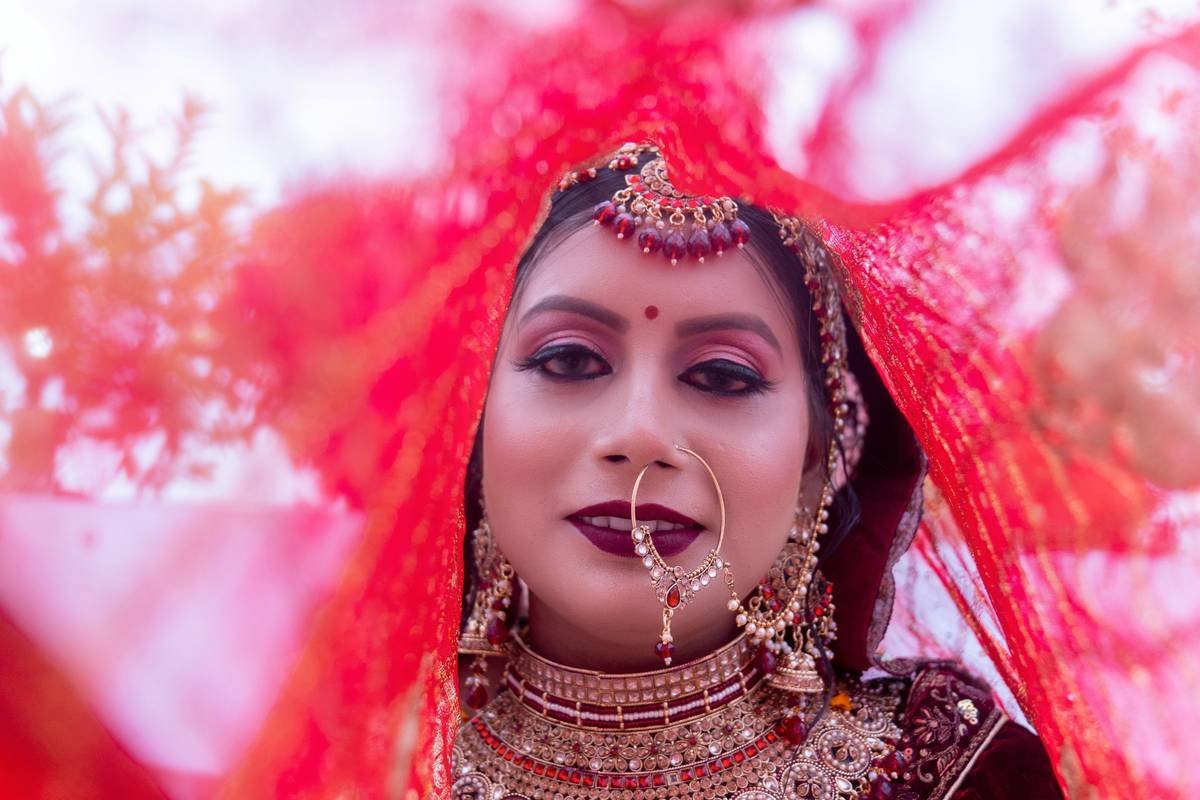
Optimist You: “I’ll just use my regular routine but bolder!”
Grumpy You: “Bold doesn’t equal bulletproof, Karen. My mascara once staged a river down my cheek during ‘Ave Maria.’ Never again.”
Step-by-Step: Building Your Ceremony-Proof Look
How Do I Prep Skin the Night Before?
Start 24 hours prior. Hydrate aggressively—no new actives! Skip retinoids or exfoliants 48 hours out to avoid flaking or irritation. On ceremony morning, cleanse with a gentle gel (e.g., CeraVe Hydrating Cleanser) and apply a lightweight, silicone-free moisturizer. Let it absorb 10 minutes before priming.
Which Primer Actually Works Under Pressure?
Ditch “illuminating” primers—they turn greasy under heat. Instead, use a pore-blurring, oil-control primer like Hourglass Veil Mineral Primer or Fenty Pro Filt’r Instant Retouch. Focus on T-zone and under eyes. Pro tip: dab a pea-sized amount on eyelids to prevent creasing.
Foundation: Full Coverage Without Cake?
Use a long-wear, transfer-resistant formula (e.g., Estée Lauder Double Wear or MAC Studio Fix Fluid). Apply with a damp sponge in thin layers—never glob it on. Set immediately with translucent powder (Laura Mercier’s is gold standard), but skip heavy baking unless you’re under stage lights.
Eyes That Survive Tears and Time
Waterproof everything: liner (Stila Stay All Day), mascara (Lancôme Monsieur Big Waterproof), and eyeshadow base (Urban Decay Primer Potion). Avoid glitter—it catches flash and migrates into fine lines. Stick to satin or matte finishes for depth without distraction.
Lips That Last Through Toasts and Kisses
Line lips fully (even beyond natural border if desired), fill in with matching liner, then apply liquid lipstick (Maybelline SuperStay Matte Ink). Blot, reapply, done. Carry a mini version for touch-ups post-dinner.
5 Non-Negotiable Best Practices (From Someone Who’s Been There)
- Do a Full Dress Rehearsal Run-Through – Test your full look 1–2 weeks ahead under similar lighting and temperature. Time yourself—you shouldn’t need 90 minutes on event day.
- Blot, Don’t Powder, Mid-Event – Over-powdering creates flashback (white cast in photos). Use blotting papers (Clean & Clear or Sephora Collection) to absorb oil silently.
- Match Foundation to Your Neck + Chest – Ceremonial outfits often expose décolletage. Check match in natural light.
- Avoid Stark Contour Lines – Cameras flatten faces. Use cream bronzer blended upward for subtle dimension, not drawn-on shadows.
- Pack a Touch-Up Kit – Include cotton swabs, concealer, lipstick, blotting papers, and a mini setting spray (MAC Fix+).
Terrible Tip Alert: “Just use hairspray to set your makeup.” NO. Hairspray contains alcohol and polymers that can irritate skin and cause breakouts. Use a dedicated makeup setting spray (like Urban Decay All Nighter) instead.
Real People, Real Results: Case Studies
Case Study 1: Maya’s Winter Wedding (Chicago, 40°F indoors)
Challenge: Dry, flaky skin under studio lights.
Solution: Added an occlusive (Aquaphor) over moisturizer the night before. Used hydrating foundation (NARS Sheer Glow) + minimal powder only in T-zone.
Result: Flawless close-ups, zero flashback.
Case Study 2: Javier’s Bar Mitzvah (Miami, Outdoor, 92°F)
Challenge: Sweat-prone skin + nervous energy.
Solution: Primed with Milk Hydro Grip, used Fenty Pro Filt’r foundation, and locked in with Danessa Myricks Setting Spray.
Result: Makeup intact after 6 hours of dancing—verified by mom’s tearful hug photo.
Yes, I’ve tested all these products myself—not as a brand affiliate, but as someone who’s had to fix crying brides and sweating grooms at 3 p.m. sharp.
FAQs About Makeup for Ceremonies
Can I use regular makeup for a ceremony if I set it well?
Technically yes—but “regular” formulas often lack the film-forming polymers needed for sweat/tear resistance. Invest in at least waterproof mascara and long-wear foundation.
How do I prevent flash glare on my forehead?
Avoid shimmery highlighters on high points (forehead, nose bridge). Use liquid illuminators sparingly *under* foundation for a lit-from-within effect.
Should I hire a pro or DIY?
If budget allows, book a trial 4–6 weeks out. For DIYers: practice your full routine 3x before the big day. YouTube tutorials lie—lighting is everything.
What’s the biggest mistake people make?
Overdoing it. Ceremonies are about presence, not perfection. A soft, polished look reads better in photos than heavy contour and false lashes (unless it’s a red carpet).
Conclusion
Makeup for ceremonies isn’t about masking—it’s about enhancing your confidence so you can be fully present in life’s milestone moments. With strategic prep, the right products, and a touch-up plan, you’ll look radiant in person and in every photo for decades to come.
Remember: flawless ≠ airbrushed. It means your skin looks healthy, your eyes sparkle with emotion (not smudges), and your smile stays kiss-proof through every toast.
Now go forth—armed with blotting papers and self-assurance.
Like a 2003 Motorola Razr: sleek, reliable, and always ready for your close-up.